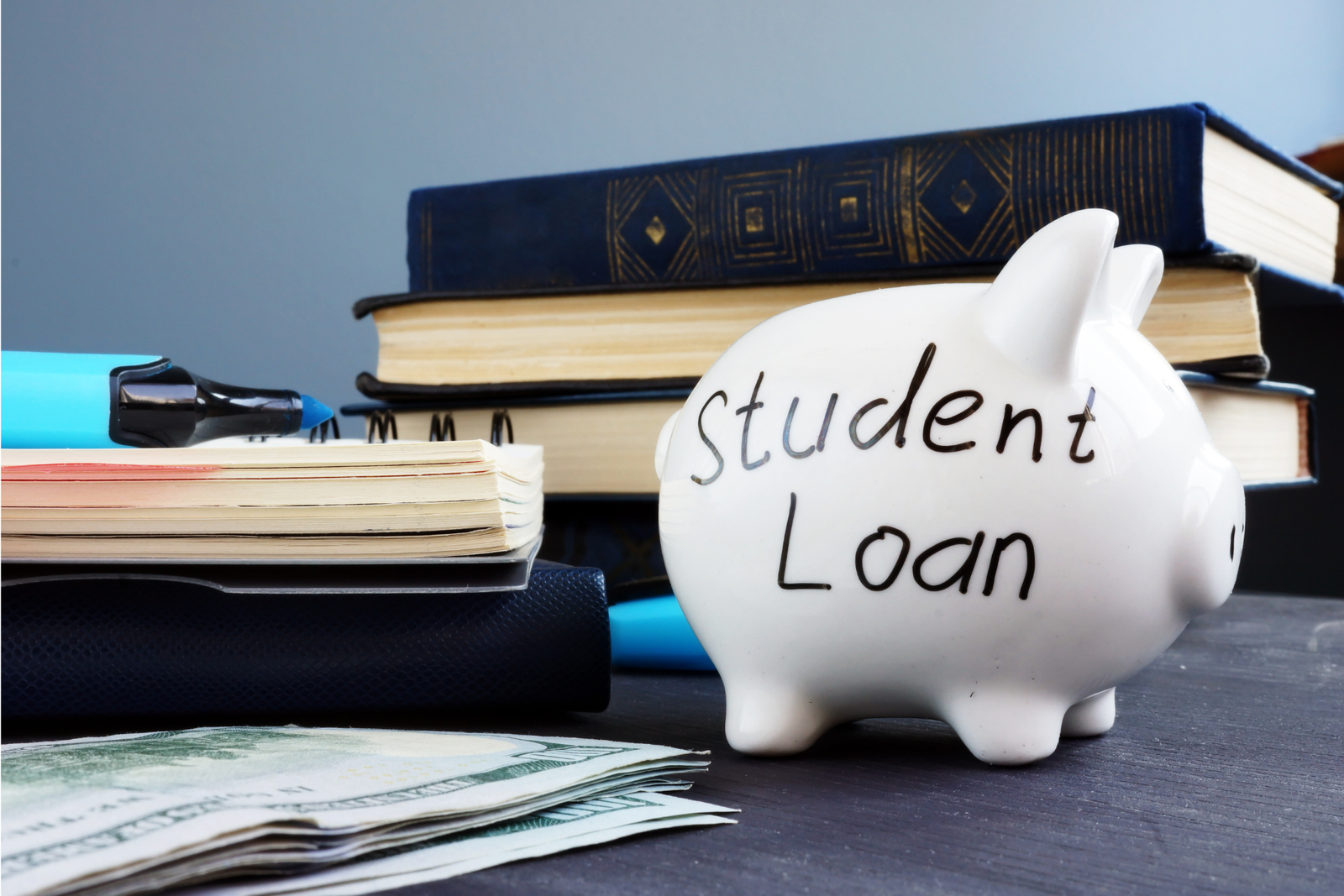
Student loan forgiveness programs 2025: What Americans need to know
Student loans are still one of the most difficult financial burdens for millions of Americans. With the continuing rise of costs in higher education, the debt load being carried by graduates, parents, and even older borrowers continues to grow. In 2025, the discussion around student loan forgiveness is at the forefront, and experts, university professionals, and student loan borrowers are all watching the news closely for new developments.
This guide provides a more in-depth overview of student loan forgiveness programs in 2025, how these programs function, who is eligible, and what borrowers can expect to happen next. Whether you are entering repayment for the first time, thinking about applying to a forgiveness program, or working through all of the new changes, this article seeks to inform and educate so that borrowers know what is available to them.
Why student loan forgiveness matters in 2025?
For years, student debt has been a growing issue in the United States. Today, there are more than 43 million borrowers with about $1.6 trillion in outstanding federal student-loan debt. This debt can be disruptive to every facet of life:
- Young professionals will postpone home purchases or starting a family because of student loan debt.
- Mid-career workers have little disposable income because of the monthly payment requirements associated with their loans.
- Older Americans may have some portion of their monthly Social Security benefits garnished to pay debts from earlier in their lives.
Major types of forgiveness programs
Forgiveness programs are designed to help tackle the debt burden. Forgiveness is intended to eliminate either a portion or the total amount of a borrower’s student loan debt, which allows Americans to relieve the daily financial pressures associated with debt while also encouraging them to enter public service occupations and contribute to the economy by freeing up funds for investment in their homes and retirement.
In 2025, the federal government will continue to rework existing programs, along with making up-to-date clarifications to continue to make student-loan forgiveness programs available for borrowers.
Public Service Loan Forgiveness (PSLF)
PSLF is one of the most well-known programs that offers full forgiveness for borrowers.
- Who work full-time for eligible government or nonprofit employers.
- We have made 120 qualifying monthly payments issued under an income-driven repayment plan.
- Who keeps verification of their qualifying employment?
In 2025, the PSLF plan was improved with updated guidelines and eligibility. Temporary waivers that were created in previous years now allow payments that were previously excluded to count towards the 120 payments.
Income-Driven Repayment (IDR) Forgiveness
Income-driven repayment plans (SAVE, PAYE, REPAYE, IBR) are capped at a percentage of the borrower’s discretionary income for the monthly loan payment.
- The remaining balance is forgiven after 20 to 25 years of payments..
- In 2025, SAVE Plan updates were made to allow less income to be included in the monthly loan payment calculations, further reducing the monthly payment.
- Small loan amounts and certain changes may cause forgiveness sooner than 10 years.
Teacher Loan Forgiveness
Educators who work in a low-income place, or service agency, for five consecutive years are eligible for a Teacher Loan Forgiveness up to $17,500.
This opportunity remains important in 2025 as the country continues to experience a teacher shortage. The Department of Education has also relieved educators from unnecessary paperwork.
Borrower Defense to Repayment
Borrower Defense to Repayment is relevant when a student has been misled and acted upon that misleading information by enrolling in college. If an institution made fraudulent claims about job placement percentages, accreditation, or earnings after graduation, those students may qualify for the discharge of their loans.
As of 2025, protections for misled borrowers have been enlarged, especially when it comes to for-profit universities with predatory practices.
Perkins Loan Cancellation and other niche programs
The most recent borrowers of loans typically obtain a Direct Loan; however, some of these borrowers may still qualify for cancellation of the Perkins Loan program, especially when working in public service. For instance, nurses, law enforcement, and those in military service.
There are also niche cancellation programs that may apply to:
- Healthcare providers
- Public defense lawyers
- Military members
- Volunteers of AmeriCorps or Peace Corps
What’s new in 2025?
The Biden administration and the Department of Education have advocated for improvements to make forgiveness programs more accessible and inclusive. There were some important changes during this past year:
- SAVE Plan expansion: For many borrowers, the monthly payment determined under the SAVE Plan is now capped even lower, and there is no accumulation of unpaid interest so long as payments are made.
- One-time account adjustments: Certain periods of forbearance and deferment are being credited retroactively, which shifts repayment toward forgiveness.
- PSLF flexibility: Additional types of non-profit work now count toward forgiveness. Part-time employees of multiple non-profit organizations may also now qualify for forgiveness.
- Targeted relief: There are ongoing discharges for cohorts of borrowers who were harmed by an institution’s misconduct or administrative errors.
These changes reflect an attempt to make forgiveness not just an aspiration but a reachable future.
Who qualifies for forgiveness in 2025?
When it comes to whom the borrower should look to qualify for forgiveness in 2025, it primarily depends on the program:
- PSLF: Must have at least 120 qualified payments while employed in public service.
- IDR Forgiveness: Must continuously make income-based payments for 20–25 years (or 10 years for certain balances).
- Teacher Forgiveness: Must teach for five consecutive years in an eligible school in a low-income community.
- Borrower Defenses: Must show unlawful practices or that an institution misled the borrower.
Borrowers should keep in mind that private student loans do not qualify for forgiveness.
Steps to Apply for Loan Forgiveness
The loan forgiveness application process can feel daunting, but if you break it down into steps, it can help you through the process:
- Check your loan type – You will want to ensure that your loans are Direct Loans before applying for loan forgiveness, because older loans like the Perkins or FFEL loans will need to be consolidated.
- Choose your program – Based on your career and repayment history, decide if you want to apply for PSLF, IDR forgiveness, or another option.
- Certify your employment – For PSLF, you will need to submit your employer certification form annually.
- Save statements – Keep all your statements, communications, and confirmations.
- Apply online – Use studentaid.gov to submit your application and track the status of your application.
Pros and Cons of Forgiveness Programs
Pros
- Helps alleviate a significant amount of financial burden.
- Promotes a career in public service and/or teaching.
- Gives an option to eventually be debt-free.
- Lessens anxiety and improves the quality of life.
Cons
- Long delay until forgiveness is granted.
- You can be lost in all the different rules and temporary waivers.
- It only applies to federal loans, meaning those with private loans have no option to work toward forgiveness.
- There can be tax consequences, although there is currently a federal exemption on taxes for forgiven loans up to 2025.
Real-life examples of forgiveness
- Example 1: A Texas teacher who worked for five years in a Title I school had $17,500 of loans forgiven, allowing him to use the money toward a home purchase.
- Example 2: A nurse in New York, under Public Service Loan Forgiveness (PSLF), reached her 120th payment in 2025, qualifying for over $60,000 of cancellation.
- Example 3: A borrower, misled by a for-profit university, was successful in having his loans discharged under Borrower Defense after struggling for many years.
These examples should all reinforce the idea that forgiveness is not just an abstract idea—it affects people’s real lives.
How forgiveness impacts the U.S. economy
Student loan forgiveness not only helps individuals, it also supports the broader economy by:
- Increasing consumer spending.
- Increasing homeownership rates among young adults, and by proxy, older adults.
- Allowing more entrepreneurial people to be comfortable taking risks and starting businesses.
- Providing service areas with more workforce stability (i.e., healthcare and education).
Economists will point out that debt relief benefits both individual financial wellness and increases national economic success.
Common mistakes borrowers make
- Not consolidating your loans before applying for loan forgiveness (PSLF).
- Not yet recertifying your income yearly on income-driven repayment (IDR)
- Simply assuming private loans are eligible for loan forgiveness (they’re not).
- Not entrusting the scammers who solicit fee-for-service instant forgiveness.
- You could also be on the lender’s list for not responding to or ignoring updates, or missing some temporary reliefs.
How to avoid scams in 2025?
Scams are popular, with borrowers seeking forgiveness. Remember:
- The Department of Education does not charge upfront.
- Their true communications come via studentaid.gov or its servicers.
- Be careful of companies that promise “instant cancellation” or forgiveness and charge a fee (e.g., fee-for-service).
- Do you validate any phone or email communications before they ask for personal info?
Tips for U.S. borrowers
- Stay organized: keep copies of any forms (and any other documents) and email communications regarding student loans.
- Set up auto-debit to ensure you will get payments on time every time.
- Sign up for alerts or updates about topic areas or borrower information from the Department of Education.
- Individually pursue career pathways that are service-related paths to consider if the loan could be forgiven or eliminated.
- Consult with professionals, including certified financial professionals, to help with repayment strategies or loan repayment capabilities.
The future of student loan forgiveness
The conversation surrounding student debt will undoubtedly be at the forefront of national discussions as we make our way through 2025. Some initiatives argue for mass, blanket cancellation, while others advocate for a much-improved program aimed directly at those with student loans. Either way, we know for certain that allowing borrowers to be relieved of their debt will be a part of the national conversation.
Borrowers can expect:
- Changes to income-driven repayment plans
- More public sector workers to qualify for forgiveness
- Speaking against and supporting cohort models for cancellation programs
Conclusion
Student loan cancellation programs for 2025 can bring hope to millions of Americans carrying education debt. It’s not always a straightforward process, but the value and impact on one’s life can and will be significant. While it will be important to understand eligibility options, stay on top of policy changes, and attempt to navigate through the process to seek cancellation, understanding these programs and being familiar with the options available to you will certainly lead to a lower and perhaps nonexistent education debt burden.
For U.S. citizens attempting to navigate their way through this complex system, the message may simply be to stay informed, follow through, and be patient. Whether you are a teacher, nurse, public servant, or just someone who consistently made payments through the IDR system, assuming that you have filed all necessary forms and completed everything you can in the process, there is a very good chance you will be able to relieve yourself of this debt by 2025.